
Perché combinare la lavorazione CNC e la saldatura TIG per la realizzazione di componenti personalizzati in acciaio inossidabile?
Nella progettazione di sistemi fluidici complessi, macchinari pesanti o apparecchiature sanitarie per la lavorazione degli alimenti, il guasto di un componente non è un'opzione. Gli ingegneri si trovano spesso di fronte a un dilemma cruciale in fase di produzione: come ottenere un'estrema precisione dimensionale di un componente lavorato, mantenendo al contempo l'integrità strutturale e la tenuta stagna di una saldatura per impieghi gravosi?
Noi di Huapusheng (HPS) risolviamo questo problema unendo due discipline di produzione avanzate. Scopriamo perché combinare Lavorazione CNC con saldatura TIG professionale è la soluzione definitiva per la produzione di componenti in acciaio inossidabile personalizzati ad alte prestazioni.
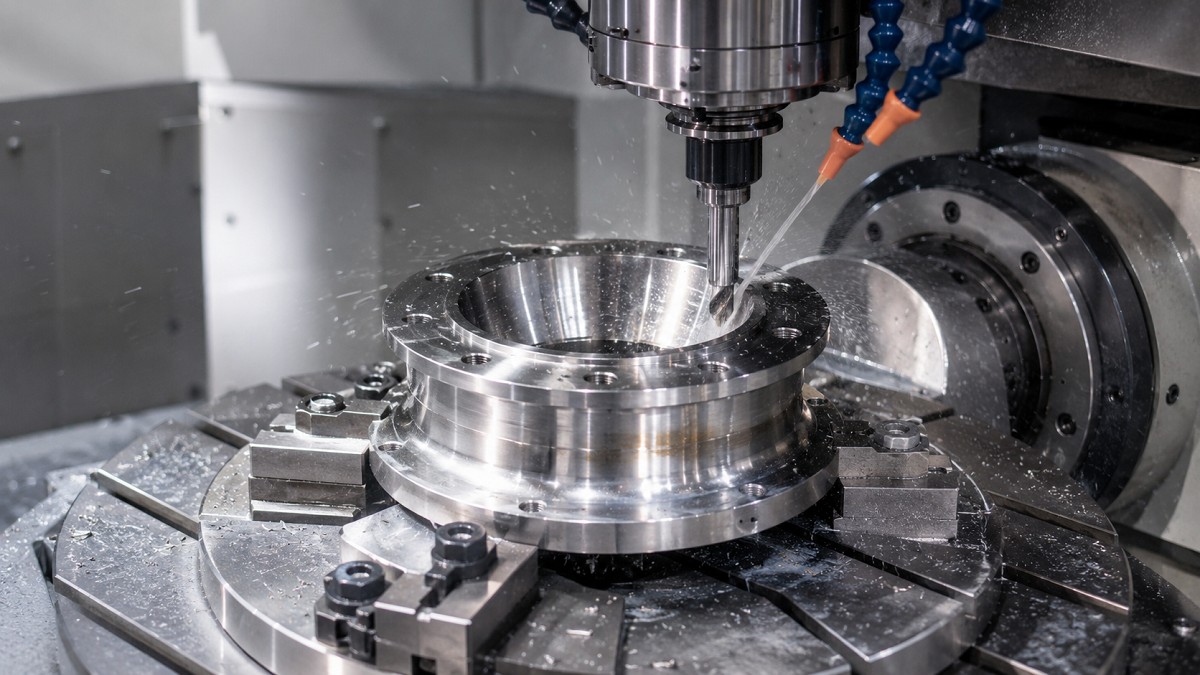
L'acciaio inossidabile (in particolare le leghe come la 304 e la 316L) è notoriamente resistente. Si indurisce rapidamente per deformazione plastica e richiede utensili rigidi per un taglio preciso. Per creare una base di montaggio affidabile, ci affidiamo a centri di fresatura e tornitura CNC all'avanguardia.
Questo passaggio riguarda le tolleranze precise. Che si tratti di preparare una superficie perfettamente piana per una guarnizione o di forare e filettare profili complessi, Componenti metallici lavorati di precisione con macchine CNC. Garantiamo che i vostri componenti si allineeranno perfettamente con le viti di accoppiamento durante l'assemblaggio finale. Manteniamo regolarmente tolleranze di +/- 0,05 mm prima ancora di iniziare la fase di saldatura.
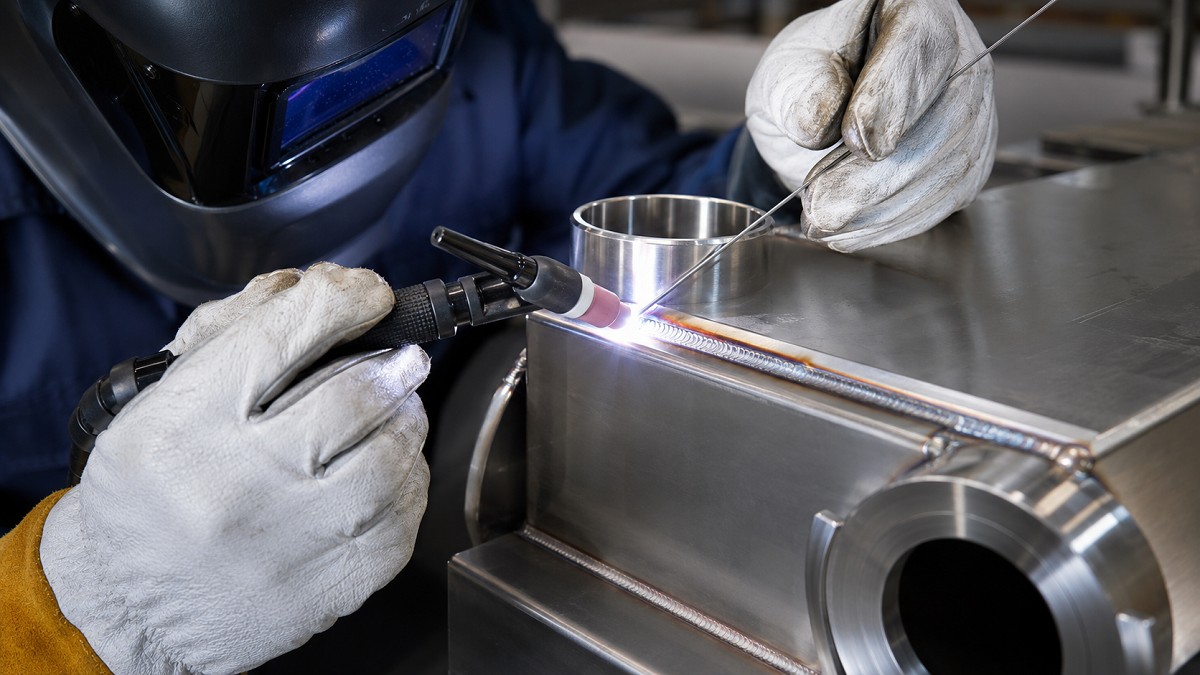
Una volta lavorate la base di precisione e i componenti secondari (come i perni cilindrici o i tubi), è necessario unirli. Per l'acciaio inossidabile, la saldatura TIG (Tungsten Inert Gas) è lo standard di riferimento indiscusso. A differenza della saldatura MIG, la TIG offre un controllo impareggiabile sull'apporto termico e sulla gestione del bagno di fusione.
Collaborando con un professionista Servizio di saldatura in acciaio inossidabile OEMGli ingegneri si assicurano che le giunzioni non siano solo strutturalmente robuste, ma anche completamente a tenuta stagna. Un saldatore TIG altamente qualificato crea una saldatura pulita e priva di spruzzi, simile a una pila di monete da dieci centesimi, che resiste alla corrosione e supera facilmente rigorosi test con liquidi penetranti e a pressione.
La sfida maggiore nella combinazione di questi due processi è la distorsione termica. Applicare un calore di saldatura intenso a una piastra piana lavorata con precisione può causare la deformazione del metallo, compromettendo istantaneamente le tolleranze CNC.
In HPS, il nostro team di ingegneri utilizza rigorosi principi di progettazione per la producibilità (DFM). Utilizzando attrezzature di saldatura specializzate, controllando la sequenza di saldatura e talvolta applicando lavorazioni meccaniche post-saldatura, eliminiamo la deformazione. Questa perfetta integrazione dei processi è esattamente il modo in cui produciamo un prodotto impeccabile. Flangia saldata in acciaio inox su misura che non richiede alcuna modifica da parte del cliente dopo la consegna.
Comprendere le capacità degli OEM aiuta a progettare componenti migliori. Ecco i nostri parametri standard per gli assemblaggi personalizzati in acciaio inossidabile:
| Parametro di produzione | Specifiche e funzionalità |
|---|---|
| Materiali primari | Acciaio inossidabile 304, 304L, 316, 316L, acciaio al carbonio |
| Tolleranze CNC | Fino a +/- 0,05 mm (ISO 2768-m o tolleranze più strette su richiesta) |
| Metodi di saldatura | Saldatura TIG di precisione (GTAW), MIG (GMAW), Saldatura Laser Robotizzata |
| Processi post-saldatura | Rettifica di saldatura a filo, ricottura di distensione |
| Trattamenti superficiali | Passivazione acida, elettrolucidatura, sabbiatura, spazzolatura fine |
La combinazione della lavorazione CNC di precisione con la saldatura TIG eseguita da esperti consente agli ingegneri di superare i limiti della produzione monoprocesso. Il risultato sono componenti dimensionalmente perfetti e strutturalmente indistruttibili. Quando il vostro progetto richiede questo livello di qualità senza compromessi, collaborare con un impianto completamente integrato come HPS garantisce che i vostri progetti vengano realizzati in modo impeccabile, dal primo taglio all'ultima saldatura.
 Richiedi un preventivo ora


 IPv6 RETE SUPPORTATA
Lasciate un messaggio
Scansione su Wechat :

Scansione su WhatsApp :

Hi! Click one of our members below to chat on

 English
 Français
 Deutsch
 Русский
 Italiano
 Español
 Nederland
 日语
日语 한국어
한국어 Svenska